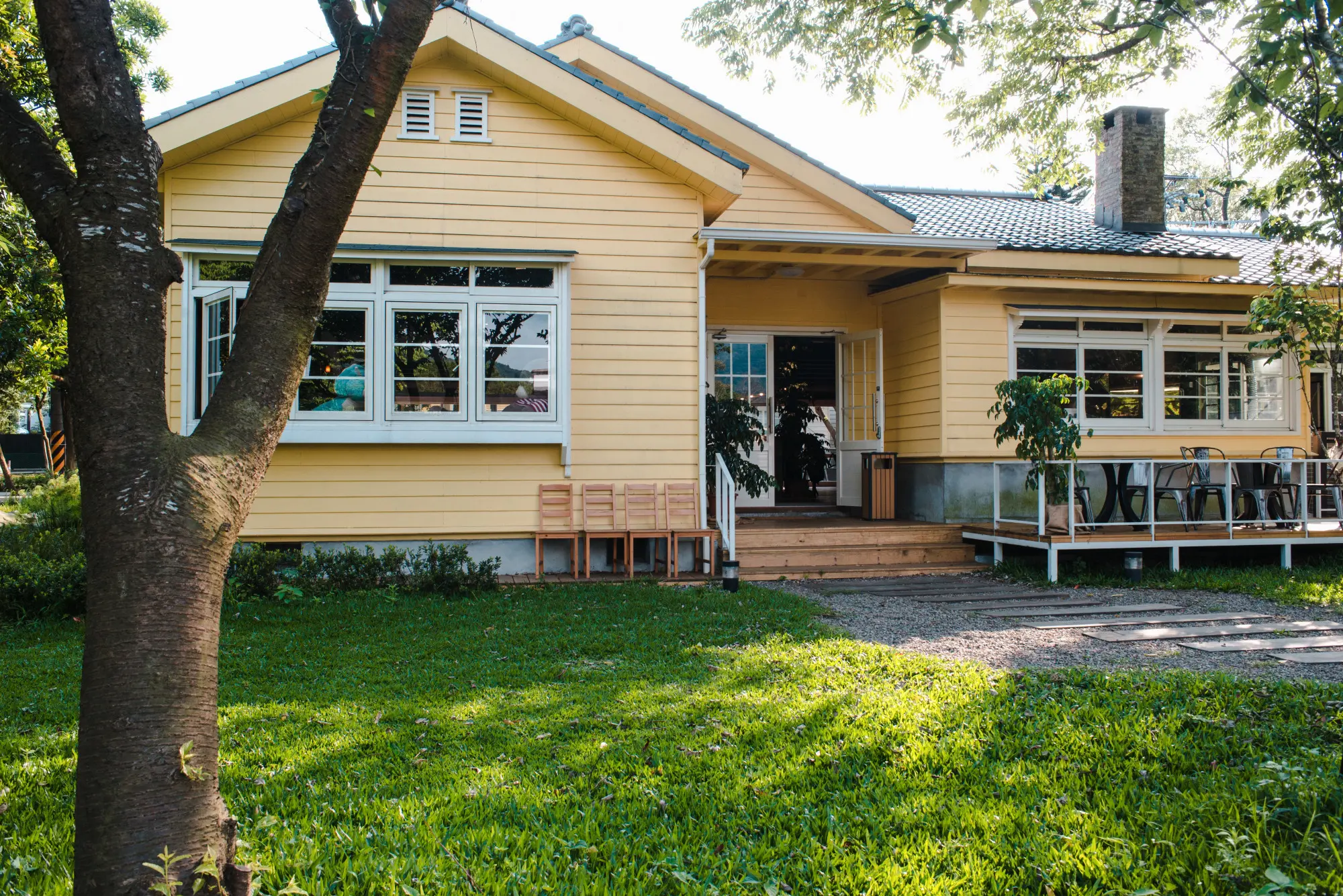

A Fullerton family needed a way to keep their daughters from paying rent. Using a 401k for ADU financing, they pulled $235,000 straight out of their retirement savings.
No loan. No monthly payment. No lender involved at all.
Framing is done. Electrical and plumbing are going in now. In roughly six months, both daughters move into a brand new two-bedroom, two-bathroom home, in the same backyard they grew up in, for $0 a month. (These backyard homes are sometimes called ADUs, if you’ve heard that term before.)
That last part is worth sitting with for a second. Two adult daughters, in a market where a two-bedroom rental easily runs $3,000 a month or more, about to move into a place with their own name, their own space, and nothing to pay for it every month.
Why Cash Instead of a Loan
Most of the financing stories in this series involve some kind of loan, borrowed against equity, borrowed against the project itself. This family did neither. They had $235,000 sitting in a 401(k), and they decided that money was more useful funding an ADU for their kids to live in than sitting in an account for another twenty years.
No loan means no monthly payment and no interest. It also means the full cost came out of money they’d already set aside for their future, which is exactly the part that made people uncomfortable.
What People Told Them Not to Do
Everyone had an opinion. “That’s reckless.” “Never touch your 401(k).” “Use a loan instead.” “Just let them rent something.”
Every one of those reactions makes sense on its own. Retirement money is supposed to stay untouched for exactly this reason, so it’s still there decades from now. Pulling a large chunk of it early goes against basically everything financial advice usually says.
None of the objections were wrong, exactly. They just weighted the decision differently than the family did. A financial planner sees $235,000 in lost future growth. A parent sees two adult daughters who’d otherwise be handing that same money to a landlord for the next several decades instead.
They did it anyway.
The Math That Made the Decision
Here’s what drove it. Their daughters would otherwise be paying roughly $3,000 a month in rent somewhere else. Living in the new backyard home instead, that’s $3,000 a month staying in the family instead of going to a landlord.
Over ten years, that’s the difference between $360,000 spent on rent that’s gone for good, versus $360,000 that never left the family in the first place. That’s not money literally sitting in a bank account; it’s rent that simply never had to be paid. Either way, it’s real money that stayed put instead of walking out the door every month.
On top of that, the finished property is expected to add more than $300,000 in value, on a project that cost $235,000 to build.
What the Reel Doesn’t Show: The Tax Bill
Here’s the part that “no debt, no payments” leaves out, and it matters enough that it’s worth its own section rather than a footnote.
Money pulled from a traditional 401(k) before age 59½ is generally hit twice: it gets added to that year’s taxable income at your regular tax rate, and on top of that, the IRS applies an additional 10% tax unless a specific exception applies. For California residents specifically, the state adds its own additional 2.5% tax on top of that, on the same early distribution.
None of that shows up in “no debt, no payments.” A withdrawal isn’t a loan, so there’s no monthly bill to point to, but a six-figure early withdrawal can realistically lose a meaningful chunk of the total to combined federal and state taxes, well into the tens of thousands of dollars, depending on the household’s tax bracket and whether any exception applies to their specific situation.
That doesn’t mean the decision was wrong. It means “no debt, no payments” isn’t the same thing as “no cost.” Retirement accounts get taxed early-withdrawal treatment specifically because the system wants that money left alone, and this family paid whatever that price turned out to be for them, on top of the $235,000 itself.
So Was It Actually Smart?
Depends entirely on what you’re measuring, and there’s no single right answer here.
Purely on the rent-avoidance math, it looks strong: $360,000 in rent that stays in the family over a decade, plus $300,000-plus in added property value, against a $235,000 outlay. Even after factoring in a real tax cost, the numbers still lean favorably if the family didn’t need that specific $235,000 for retirement income anytime soon.
Purely on retirement security, pulling six figures out early is a real setback to rebuild from, tax bill aside. Compound growth lost over decades is its own cost, separate from the tax hit, and it’s the cost that’s hardest to see right now because it hasn’t happened yet.
Both of those things are true at the same time. That’s why the family’s own answer to “was it smart” is really “it depends what you value more,” not a simple yes or no.
It’s also worth saying plainly: this family may have already run these numbers with a tax professional before deciding. Nothing about this story confirms they didn’t. The point of laying out the tax side isn’t to second-guess their choice, it’s that anyone reading their story and thinking “I should do exactly this” deserves the same full picture they presumably had before signing off on it.
What This Means If You’re Considering the Same Move
If a project like this is genuinely on the table, a 401(k) withdrawal isn’t the only way to use retirement money for it. A 401(k) loan, where allowed by the plan, avoids both the income tax hit and the early withdrawal penalty entirely, since you’re borrowing the money rather than withdrawing it, as long as it’s repaid on the plan’s terms. It’s a materially different math problem than what this family chose, and worth understanding before assuming a straight withdrawal is the only path.
Either way, this is exactly the kind of decision worth running past a tax professional before committing, not after. The construction side of the math, what a project like this actually costs and what size makes sense, is something our ADU construction team can walk you through in detail; our guide to sizing a backyard home by budget is a reasonable starting point for that half of the decision.
Frequently Asked Questions
Is it a good idea to use retirement savings to build a backyard home?
It depends on your full financial picture, not just the construction math. The rent savings and added property value can be substantial, but early withdrawals carry real tax costs and set back retirement growth, so this is a decision worth making with a tax professional, not from a headline.
How much tax do you actually pay on an early 401(k) withdrawal?
Generally, the withdrawal is taxed as ordinary income at your regular rate, plus a 10% federal penalty if you’re under 59½, unless an exception applies. California residents also owe an additional 2.5% state penalty on top of that.
Is a 401(k) loan a better option than a withdrawal?
For many people, yes, on the tax side specifically. A loan avoids both the income tax and the early withdrawal penalty, as long as it’s repaid according to the plan’s terms, which a straight withdrawal doesn’t offer.
How much does a family actually save by housing adult kids instead of them renting?
It depends on local rent, but at $3,000 a month, that’s $36,000 a year and $360,000 over a decade that stays with the family instead of going to a landlord, not counting the added property value from the build itself.
Does building a backyard home for family really add property value?
Generally, yes. A permitted backyard home typically adds meaningful appraised value on top of whatever it costs to build, separate from the rent savings while family is living in it.
What if I don’t want to use retirement money or take out a loan?
Plenty of homeowners fund a project like this with straightforward savings, or wait and build in phases as budget allows. The financing method matters less than making sure the numbers work for your specific situation before committing.
Is this the same as the story about borrowing against a paid-off house?
No, and that’s part of what makes it worth comparing. That story involved borrowing against home equity with a monthly loan payment. This one involved withdrawing retirement savings outright, with no loan and no monthly payment, but a real tax cost instead.
Would you pull $235K from your 401(k) to keep your kids from paying rent?