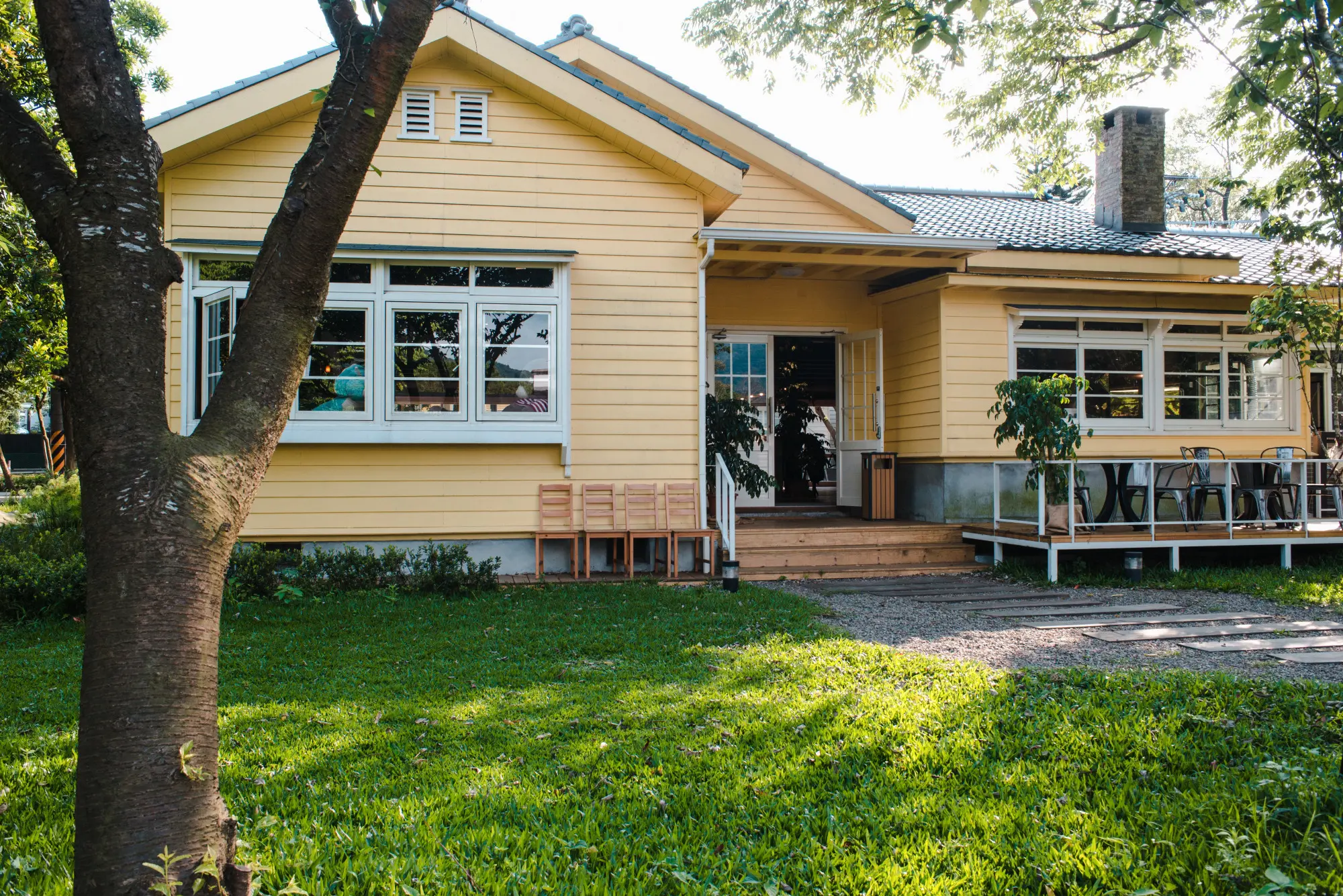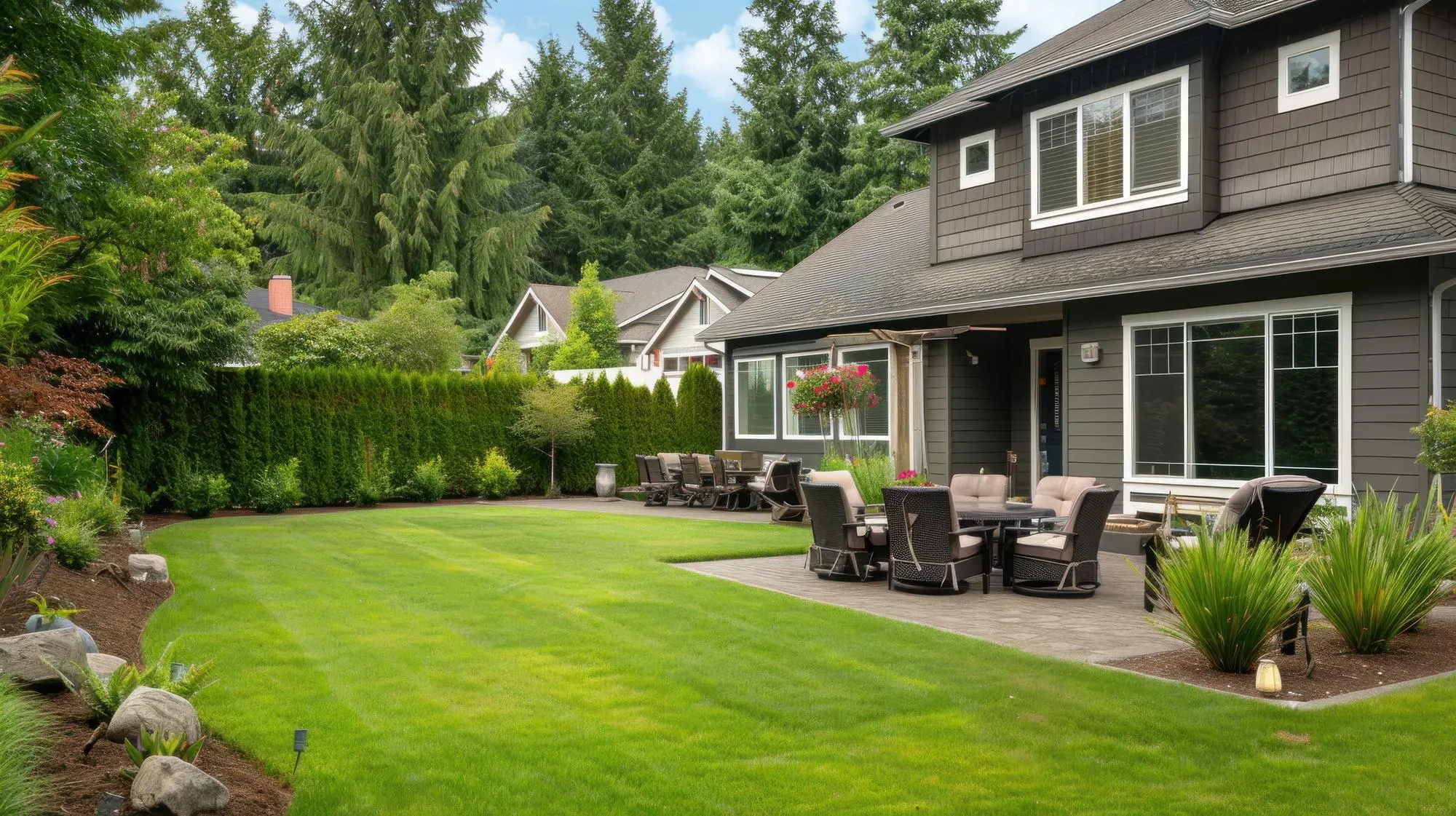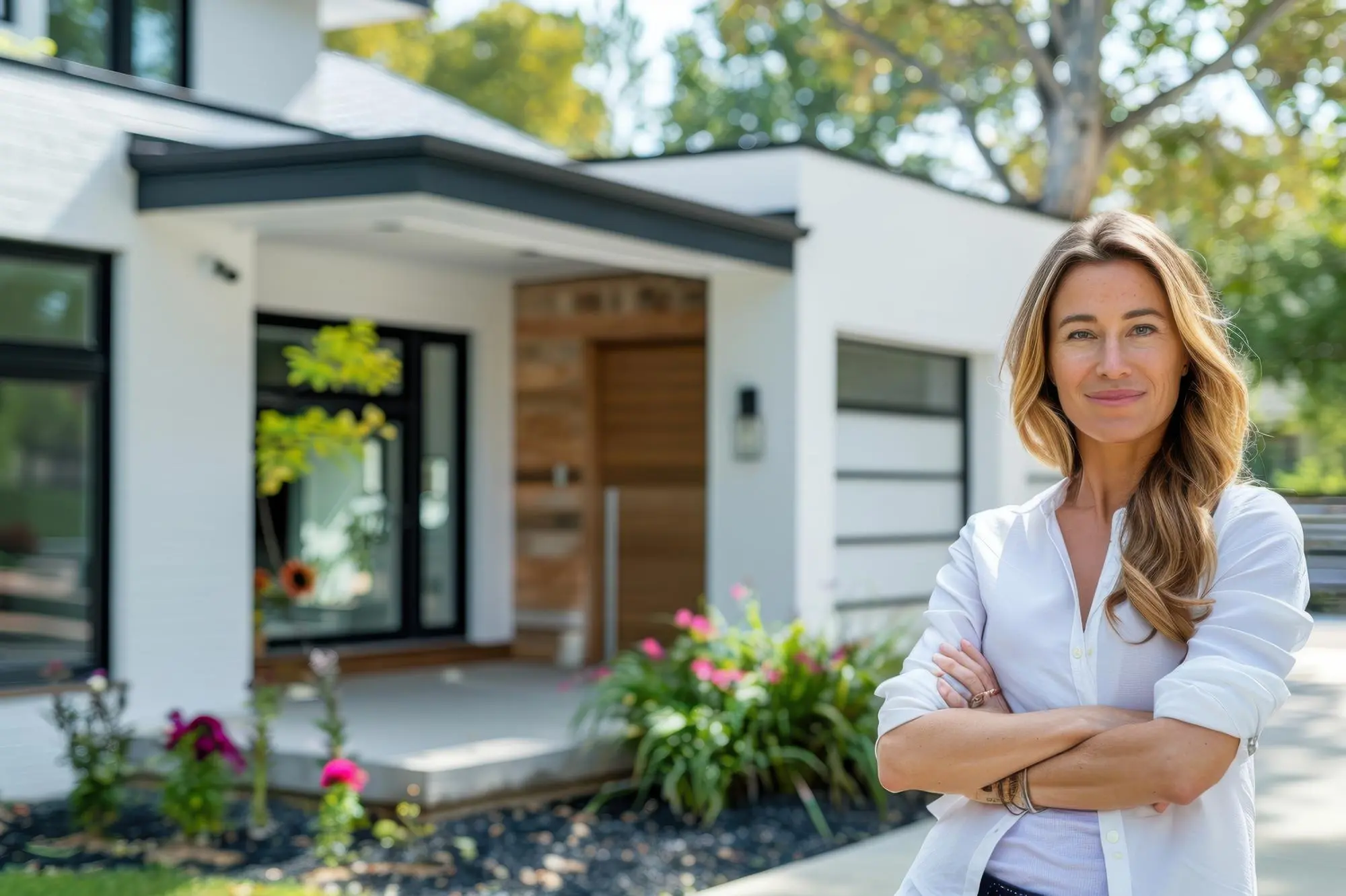

A backyard home just went up on her property. Total cost: $286,000.
What she actually paid out of her own pocket: $15,500.
Most people hear “$286,000 backyard home” and assume that’s the number they’d need sitting in a bank account before they could even start. That’s not how it worked for her, and it’s usually not how it works.
What Actually Got Built
Nothing small. This wasn’t a studio tucked in a corner of the yard.
- 812 square feet
- Two bedrooms, each with its own private bathroom
- High ceilings
- A private yard, separate from the main house
- Everything brand new, nothing patched or reused
A real two-bedroom home, built from nothing, on land she already owned. For reference, 812 square feet sits right in the range where a backyard home stops feeling like a studio and starts functioning like an actual house, worth knowing if you’re still deciding what size makes sense for your own property. Our guide to sizing a backyard home by budget breaks down how cost and layout options change as square footage goes up.
Where the $15,500 Actually Went
Here’s the part that surprises people. Her $15,500 didn’t go toward walls, plumbing, or a roof. It covered plans and permits, the paperwork and design work that has to happen before anyone can legally start building anything.
That’s it. That’s the whole out-of-pocket number.
How the Other $286,000 Got Paid For
She took out a loan to cover the full cost of the build. Not her savings. Not a chunk of cash she’d been setting aside for years. A loan, sized to the project, that she pays back monthly, the same way anyone pays back a loan for anything.
Here’s what that actually looks like every month:
- Loan payment: $1,837/month
- Rent coming in: $2,700/month
- Money left over: $863/month
- That’s $10,356 a year, on top of a home that’s now hers, fully built, fully paid for by rent going forward.
The Number That Actually Matters: 67%
Here’s where this gets interesting. $10,356 a year sounds solid on its own. But measured against what she actually put in, her $15,500, that’s a 67 percent return every single year.
For context, real estate investors generally consider an 8 to 12 percent annual return on cash invested to be strong, with anything above 12 percent considered exceptional, according to Rocket Mortgage’s explainer on this exact metric. She’s sitting at more than five times the top of that range.
This isn’t a made-up number to make the story sound better. It’s the same calculation, cash coming back each year divided by cash put in, that professional investors use to compare deals against each other. It just happens to look unusually good here because her upfront cash was so small relative to what the property now produces.
It’s also a different number than the appraised-value and appreciation math we’ve written about elsewhere. Our breakdown of ADU return on investment covers the property-value side of this equation, appraised value gains and resale ROI, which is a separate calculation entirely from the monthly cash-on-cash return this story is built around. Both matter. They’re just answering different questions.
The Assumption That Stops Most People Before They Start
Ask most homeowners why they haven’t looked into a backyard home, and the answer usually isn’t “I don’t want one.” It’s “I don’t have $286,000 sitting around.” That single assumption ends the conversation before anyone runs a single real number.
It’s an understandable assumption. Nobody explains the actual mechanics upfront: that the bulk of a project like this is financed the same way most real estate is, with a loan sized to what the property can support, not paid for entirely in cash. The number people fixate on, the full build cost, isn’t the number that actually determines whether the project is possible for them.
The number that matters is much smaller, and much closer to something most homeowners could realistically put together: what it costs to get to the point where a lender and a contractor can actually start.
Why This Works the Way It Does
The trick, if there is one, isn’t a trick. It’s leverage, used carefully. She put in the smallest amount required to get the project moving, plans and permits, and let a loan, sized to a property that could clearly support the payment, cover the rest.
The loan only works because the rent covers it with room to spare. $2,700 coming in against $1,837 going out isn’t a razor-thin margin. It’s built-in breathing room, which is exactly what makes a loan like this something a lender is willing to say yes to in the first place.
Is $15K Realistic, or Was She Lucky on Fees?
Worth asking directly. Her number is on the efficient end, but it’s not an outlier. Plans, permits, and related pre-construction costs for a backyard home in California typically run $15,000 to $40,000, depending on the city and how complicated the design is. She landed at the low end of a real range, not some number nobody else could hit.
What can push that number higher: a more complex design, a city with slower or pricier permitting, or a lot that needs extra engineering work before anything gets approved. None of that is rare. It’s just worth knowing going in, rather than assuming every project lands at exactly $15,500.
What This Actually Takes
Cutting through the headline, here’s what this really requires:
- Enough cash to cover plans and permits, typically somewhere in the five-figure range, not six.
- A property that can realistically support the loan payment through rent, which means running real numbers before committing to anything.
- A lender and a licensed contractor who both know what they’re doing, since the loan and the build have to line up correctly for the math to actually work this way.
None of these three things requires a homeowner to already understand financing or construction. They require finding people who do, and being willing to ask for the actual numbers on your specific property instead of assuming the headline number applies to everyone equally.
If you want to see what a project like this could look like on your own property, front to back, our ADU construction team can walk you through real numbers instead of a headline. This is a different financing path than the paid-off-house story we wrote about, where the homeowner borrowed against equity she’d already built up. Here, there was no existing equity required at all, just a small upfront cash number and a loan sized to the project itself.
Frequently Asked Questions
Do I need $286,000 in savings to build something like this?
No. That’s the exact misconception this story pushes back on. The full build cost is typically covered by a loan; what you need upfront is a much smaller amount to cover plans and permits before construction starts.
How much should I expect to pay out of pocket before construction even starts?
Plans and permits for a backyard home in California typically run $15,000 to $40,000, depending on your city and design complexity. Her project landed at the low end of that range.
Is a 67 percent return realistic, or is that a marketing number?
It’s a real, standard calculation, annual cash flow divided by cash invested, the same metric professional real estate investors use. It looks unusually high here specifically because her upfront cash was small relative to what the property produces.
What happens if the rent doesn’t cover the loan payment?
That’s the core risk in any project like this, which is why running real numbers on rent potential before committing to a loan matters more than anything else. A property where rent barely covers the payment carries far more risk than one with real breathing room, like the $863 monthly cushion here.
Does every backyard home rent for this much?
No. Rent depends heavily on location, size, and layout. An 812 square foot, two-bedroom unit with private bathrooms commands more rent than a smaller studio would, which is part of why the size and layout decisions matter as much as the financing does.
How is this different from borrowing against your home’s equity?
This approach doesn’t require you to already have equity built up. The loan is sized to the new construction itself, not to what you already own, which is why the upfront cash requirement is so much smaller than most people expect.
How long does a project like this take from start to finish?
Plans and permits typically take a few months before construction can even begin, and the build itself takes several more months after that. It’s a real timeline, not a fast flip, even though the upfront cash requirement is small.
Most people think you need $286,000 in cash sitting in the bank. You don’t. Would you do this with $15K?